Managing household rubbish becomes easier when recycling, food scraps and general waste are separated properly. Effective home waste management systems help reduce unnecessary rubbish, save space and keep your home organised.
For Liverpool residents, this guide explains how to manage household waste, improve recycling habits and dispose of unwanted furniture and bulky items responsibly.
What Are Home Waste Management Systems?
Home waste management systems are the methods households use to separate, store, recycle and dispose of everyday rubbish. Effective home waste management systems include suitable bins, food waste containers and a clear plan for handling recyclable materials and unwanted items.
A suitable arrangement depends on the size of the property, the number of people living there, available storage space and the local council’s collection service.
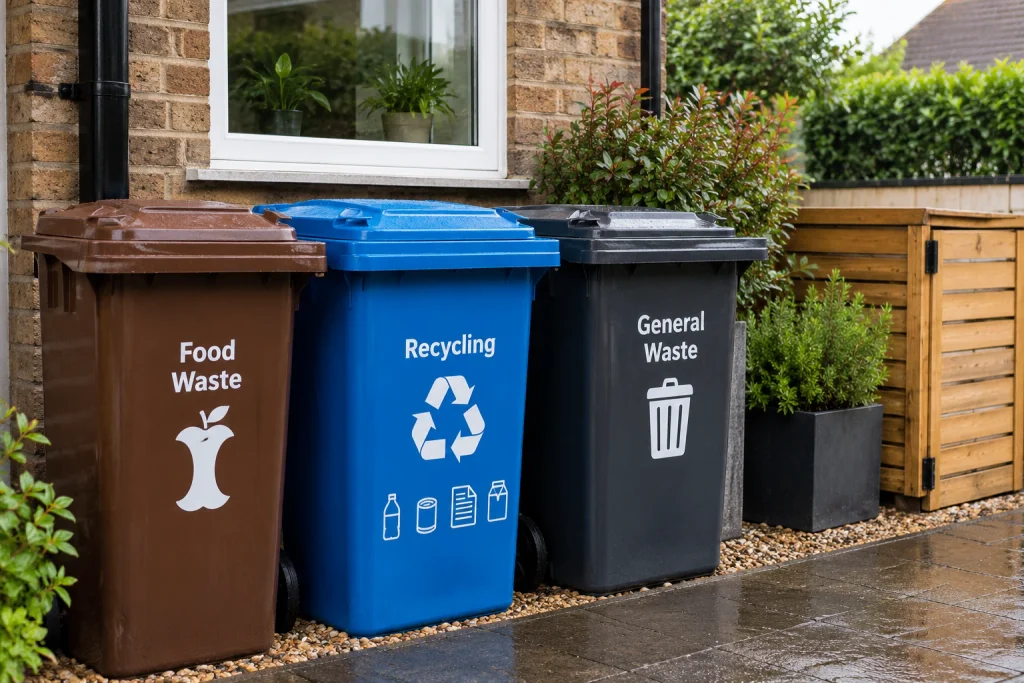
Most households can begin with four waste categories:
- Dry recyclables: Accepted paper, cardboard, plastic packaging, metal cans and glass, according to local rules.
- Food waste: Leftovers, fruit and vegetable peelings and other accepted food scraps.
- General rubbish: Items that cannot be reused or placed in the available recycling streams.
- Bulky or specialist items: Furniture, electrical appliances, batteries and other materials that may need a separate disposal route.
The aim is not to create as many bins as possible. It is to make the correct choice easy whenever someone needs to throw something away.
How to Choose a Waste Management System for Home
When choosing home waste management systems, consider your household size, available storage space, recycling needs and local collection arrangements. A practical setup should be easy to maintain and suitable for your daily routine.
The best home waste management systems fit your daily routine, available storage space and household size. A simple arrangement of clearly labelled containers can make recycling easier without taking over your kitchen or utility area.
Assess the Waste Your Household Produces
Spend a few days observing what goes into your rubbish bin. Common materials include food packaging, cardboard deliveries, drink containers, food scraps and general waste.
This quick review helps identify which categories need separate containers and where most avoidable waste comes from.
Select Containers That Fit Your Space
A large kitchen may accommodate separate containers, while a small flat may need stackable bins or compact countertop caddies. Choose containers that are easy to empty, clean and access.
For shared accommodation, clear labels can help everyone use the same system consistently.
Create a Simple Sorting Routine
Place frequently used recycling containers near the areas where waste is produced. Keep a food waste caddy accessible in the kitchen, and establish a convenient location for cardboard and larger recyclable packaging.
Check your council’s collection instructions before choosing colours or assigning materials to particular bins. Bin colours and accepted items can vary between local authorities.
How to Manage Household Waste Step by Step
Well-organised home waste management systems make daily sorting simpler by giving recyclable materials, food scraps and general rubbish their own designated containers. A straightforward routine can prevent rubbish from accumulating and reduce confusion about what happens to each material.
Step 1: Separate Waste at the Point of Disposal
Sort items when they are no longer needed instead of leaving everything in a mixed bag until collection day. Keep recyclable packaging, food waste and residual rubbish separate according to the available local services.
Step 2: Prepare Recyclables Correctly
Empty containers and remove excess food residue where necessary. Flatten cardboard to save space and keep materials loose when the council’s instructions require it.
Do not assume every plastic item, wrapper or packaging material belongs in household recycling. Check the accepted-material list first.
Step 3: Handle Food Scraps Separately
Use the designated food waste container where your collection service provides one. Follow the council’s instructions for acceptable materials and caddy liners.
Meal planning, appropriate food storage and using leftovers can also prevent edible food from becoming waste in the first place.
Step 4: Keep General Rubbish Contained
Use suitable bags or containers for non-recyclable rubbish. Keep lids closed and avoid leaving loose waste around shared bin areas, pavements or entrances.
Step 5: Plan for Items That Do Not Fit in a Bin
Furniture, mattresses and electrical appliances may require a recycling centre visit, a council collection or another appropriate service. Check eligibility and preparation requirements before moving these items outside.
How to Manage Waste at Home in a Small Flat
Limited storage space does not mean a household needs to abandon recycling. The key is to keep the arrangement compact and prevent waste from building up.
- Use a small kitchen caddy for food scraps where appropriate.
- Choose stackable or divided containers for dry recyclables.
- Flatten cardboard as soon as practical.
- Empty indoor containers regularly instead of storing overflowing bags.
- Use communal bins only in accordance with the building’s arrangements.
- Plan a separate route for bulky items before purchasing replacements or completing a clear-out.
Residents in flats should check whether their building uses communal bins, shared recycling stores or individual containers. Liverpool City Council provides guidance on using communal bins, including how residents should dispose of recycling and general waste.
What Is Domestic Waste Management?
Domestic waste management is the process of handling rubbish generated by everyday household activities, including cooking, cleaning, shopping, gardening and replacing household belongings.
It includes waste prevention, reuse, recycling, collection and responsible disposal. A good approach considers what can be avoided before deciding how to handle what remains.
For example, donating usable furniture prevents an item from immediately becoming waste. Separating cardboard allows it to enter the appropriate recycling stream, while broken electrical equipment may need a designated collection or recycling centre.
The most effective management of domestic waste combines practical household habits with the disposal services available in the local area.
How Can You Reduce Household Waste Without Spending More?
Reducing rubbish does not require expensive equipment or a complete lifestyle change. Start with the materials your household throws away most frequently.
Buy Only What You Need
Plan meals, check cupboards before shopping and use perishable food before buying more. These habits can reduce food waste and unnecessary packaging.
Reuse Suitable Household Items
Reuse containers where appropriate, repair belongings that are safe to fix and consider donating usable clothes, furniture or household goods.
Reduce Packaging Where Practical
Choose products with less unnecessary packaging when affordable and convenient. Reusable shopping bags and refillable containers can also reduce disposable materials.
Avoid Buying a New Item Too Quickly
Check whether an existing item can be repaired, repurposed or passed on to someone else. When replacement is necessary, consider how the old item can be reused or disposed of correctly.
Review Your Results
Notice whether general rubbish decreases over time and whether recycling containers are being used correctly. The aim is to build habits that are manageable for everyone in the household.
What Should Go in Each Household Waste Bin in Liverpool?
Liverpool residents should follow the instructions for their own collection arrangement rather than relying on a generic recycling chart.
Liverpool City Council’s published guidance identifies a number of materials accepted in its blue recycling bin or bag, including cardboard packaging, paper, cans, glass bottles and jars, and certain plastic containers. The council also specifies materials that should not be placed in that stream.
For example, the published guidance excludes plastic bags and cling film, food or liquids, textiles, electrical items and wood from the blue recycling bin or bag. These materials may have different reuse, collection or disposal options.
Food waste should be handled through the designated service where available. The council says free weekly food waste collections are being introduced in phases across Liverpool, so residents should check whether the service has reached their property.
Use these official resources before sorting a collection:
- Liverpool Council: What goes in my bins?
- Liverpool Council: Food waste collections
- GOV.UK: Household recycling in England
Checking the latest instructions is particularly important when disposing of unusual packaging or items that contain mixed materials.
Where Can You Dispose of Bulky Household Items in Liverpool?
Large items such as sofas, mattresses, wardrobes and appliances usually need a different arrangement from ordinary household rubbish.
Liverpool residents have several options, depending on the item’s condition and the collection rules.
Donate or reuse: If furniture or household belongings are in usable condition, consider offering them for reuse or contacting a suitable charity.
Council bulky-item collection: Liverpool City Council operates a bulky-item collection service for eligible residents. The service has limits and exclusions, so check its terms before booking. It is not intended as a complete house-clearance service.
Household Waste Recycling Centre: The council lists Otterspool Recycling Centre on Jericho Lane, Aigburth, and Old Swan Household Waste Recycling Centre on Cheadle Avenue. Check accepted materials, opening arrangements and any vehicle booking requirements before travelling.
Read the council’s bulky-item collection guidance or find a local recycling centre.
If a property contains a large volume of unwanted belongings, a standard council bulky-item collection may not cover the entire job. LiverpoolWaste also offers a house clearance service. Confirm the scope of the service and the items accepted before arranging collection.
Common Household Waste Management Mistakes
Small errors can make a household waste system harder to maintain. Avoid these common problems.
Mixing Different Materials
Putting food residue, non-recyclable packaging or other excluded materials into recycling can contaminate a collection. Check the local accepted-material list instead of guessing.
Letting Cardboard Take Up Too Much Space
Large boxes can quickly fill a recycling container. Flatten them before storage and follow local guidance for placing them out for collection.
Leaving Rubbish Beside Full Communal Bins
Waste left beside communal containers may obstruct access and can be treated as fly-tipping. Report overflowing communal bins to the council and use the appropriate disposal route.
Putting Bulky Items Out Without Checking
Do not assume a mattress, electrical appliance or piece of furniture will be collected with ordinary rubbish. Confirm whether it needs a separate booking or a recycling centre visit.
Buying More Storage Than Necessary
Extra bins are not always the solution. First identify the types of waste produced and use a layout that fits your available space and collection service.
Frequently Asked Questions
What Is the Best Home Waste Management System?
The best system is one that matches your household’s waste, available space and local collection arrangements. Separate accepted recyclables, food waste and general rubbish, then plan separately for bulky items.
How Can I Start Garbage Management at Home?
Start with a review of your everyday rubbish, choose suitable containers for the main waste categories and label them clearly. Check local recycling instructions before deciding what belongs in each container.
What Does Simple Waste Management Involve?
Simple waste management means preventing avoidable rubbish, reusing suitable items, sorting accepted recyclables and arranging the correct collection for the remaining waste.
What Is the Difference Between House Waste Management and Recycling?
House waste management covers the full process of preventing, storing, sorting, collecting and disposing of domestic rubbish. Recycling is one part of that process, focused on recovering usable materials.
What Does Personal Waste Management Mean?
Personal waste management refers to the choices an individual makes about purchasing, reusing, sorting and disposing of the waste they produce. These habits work best when they follow the household’s local collection arrangements.
Can I Put All Plastic Packaging in the Recycling Bin?
No. Accepted plastics depend on the local service and material type. Liverpool’s published guidance excludes items such as plastic bags and cling film from its blue recycling stream, so check the council’s current instructions before disposal.
Conclusion
Choosing effective home waste management systems helps households reduce avoidable rubbish, organise recycling and dispose of unwanted items responsibly. For Liverpool residents, following local collection guidance makes it easier to maintain a practical and sustainable household waste routine.
For Liverpool households, the next step is to check the council’s current bin guidance and choose a routine that works for everyone at home. When a clear-out involves more items than ordinary collections can handle, explore suitable reuse, recycling or house-clearance options before deciding how to dispose of them.